Vehicle records and privacy: what a plate number can and cannot reveal
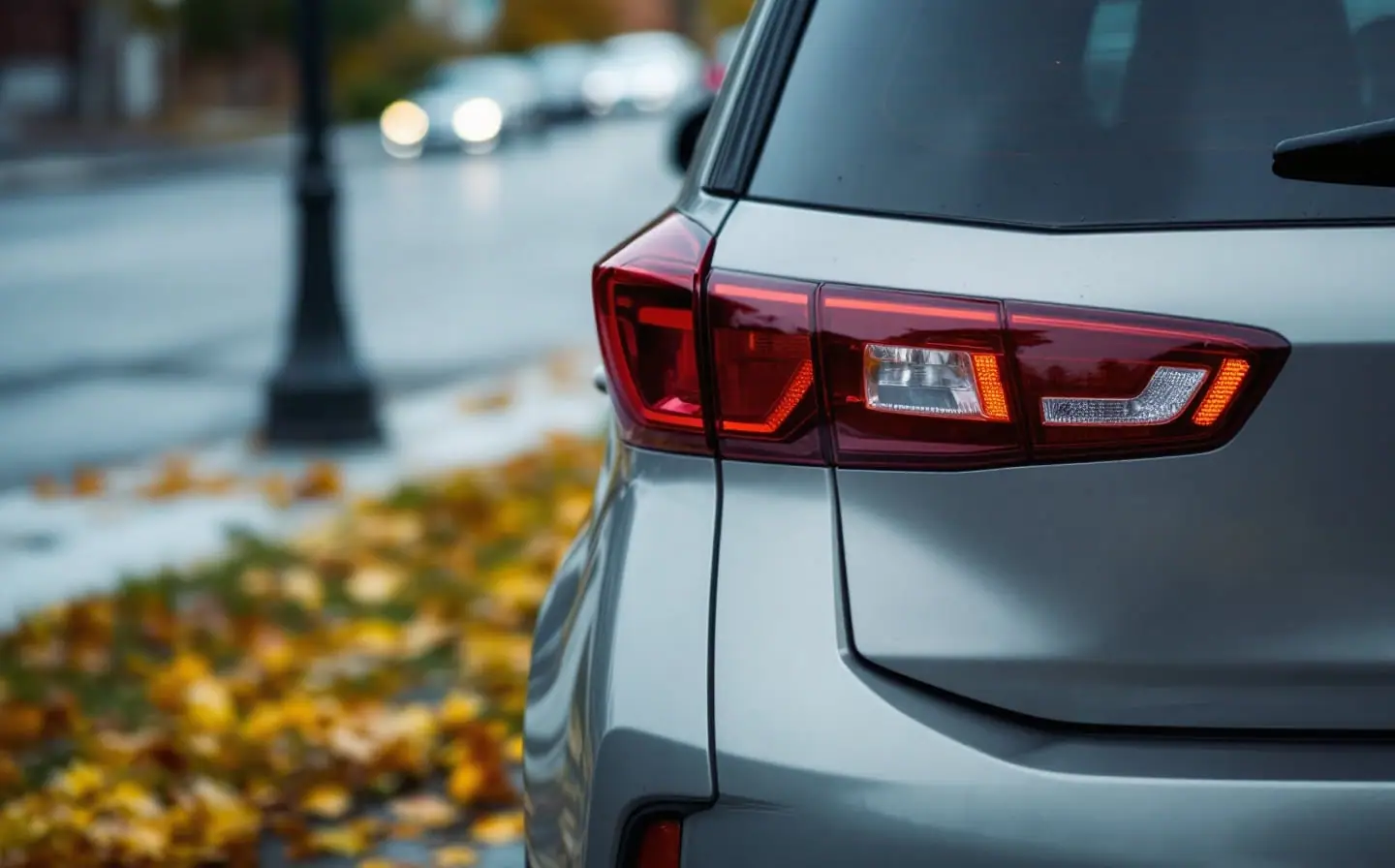
A license plate is printed on the outside of your car so that anyone can read it. The record behind it, the one that ties that plate to your name and home address, is a different matter. In the United States it sits at the state motor vehicle agency, and a federal law decides who gets to see it.
This page explains that law and what it allows, what a vehicle history report tells a buyer and what it leaves out, how Argentina handles the same questions, and what you can do to keep your own vehicle records tighter.
What a plate shows, and what stays at the DMV
Anyone looking at your car can see the plate number, the issuing state, sometimes a specialty design that hints at a university, a branch of the military or a cause, plus the make, model and color. Anyone with the vehicle identification number (VIN) can decode the year, the factory, the engine and the trim, and can check recalls and title history.
What they cannot lawfully get, without a reason the law recognizes, is the owner's name, home address, phone number, driver's license number or photo. That link lives in the state's motor vehicle records, and it is protected.
The Driver's Privacy Protection Act
Congress passed the Driver's Privacy Protection Act in 1994, as part of a larger federal crime bill. It is usually traced to a 1989 case in Los Angeles: a young actress was killed at her home by a man who had obtained her address through a private investigator who pulled it from California motor vehicle records. At the time, many states sold or released driver records to almost anyone who asked.
The law, found at 18 U.S.C. 2721 to 2725, bars state motor vehicle agencies and anyone who receives their records from disclosing personal information except for listed purposes. "Personal information" means details that identify a person: name, address (but not the five-digit ZIP code), phone number, driver identification number, Social Security number, photograph, and medical or disability information. It does not include information on accidents, driving violations or a driver's license status. A narrower category, "highly restricted personal information" (your photo, Social Security number, and medical or disability information), needs your written consent for most uses.
The permitted uses
The statute lists fourteen permitted uses. In plain terms they fall into these groups:
| Group | Examples |
|---|---|
| Government | Courts, police and other agencies carrying out their duties |
| Vehicle safety | Recalls, emissions, theft, market research by manufacturers |
| Legal proceedings | Civil, criminal and administrative cases, including serving papers |
| Insurance | Claims investigation, fraud prevention, rating and underwriting |
| Business verification | Checking information a person gave the business, to prevent fraud |
| Specific services | Towing and impound notices, private toll roads, employers checking commercial driver's licenses, licensed private investigators acting for a permitted purpose |
| Research | Statistical studies, as long as personal information is not published or used to contact people |
| With your consent | Individual record requests, marketing and bulk lists, or any requester who holds your written consent |
| State law | Other uses a state authorizes that relate to operating a vehicle or to public safety |
Two rules travel with the data. A company that receives records for a permitted use may resell them only for another permitted use, and it has to keep records for five years showing who received the information and for what purpose. And anyone who knowingly obtains, discloses or uses personal information from a motor vehicle record for a purpose the law does not permit can be sued in federal court by the person whose information it was. The court can award actual damages of at least 2,500 dollars, punitive damages for willful or reckless violations, and attorney's fees. The Supreme Court upheld the law in 2000, and states are free to add tighter limits of their own.
Why a plate lookup site cannot give you an owner's address
Search for "license plate lookup" and you will find plenty of sites. What they can legally return to an ordinary visitor is mostly about the vehicle: the decoded VIN, year, make and model, title brands, recall notices. The owner's identity is a different category. Releasing it requires a permitted use, every reseller in the chain has to log the purpose, and a person who obtains it for a purpose the law does not allow is personally exposed to a lawsuit. A checkbox on a website asking you to swear you have a permitted purpose does not create one.
If someone hits your parked car and drives off, the right route is a police report and a call to your insurer. Both have permitted uses, and both can do what you cannot.
The DMV is no longer the only place plates end up. Automated license plate readers on police cars, poles and some private vehicles photograph plates and log the time and place. Rules on who may keep that data, and for how long, vary by state. It is one more reason to treat your plate as a public identifier, even though the record behind it is protected.
Checking a used car's history by VIN
If you are buying, the VIN is your best friend, and none of this requires anyone's personal information.
The National Motor Vehicle Title Information System (NMVTIS) is run by the Bureau of Justice Assistance at the US Department of Justice. It collects data from state titling agencies, insurers, and junk, salvage and recycling yards. According to the official NMVTIS consumer site (vehiclehistory.gov points there), a report covers five things: the current title state and last title date, brand history such as junk, salvage or flood, the latest odometer reading, total loss history, and salvage history. It does not include repair or maintenance records, recalls, accident details, insurance claim details or anything about the owners. Reports come from approved providers listed on that site for a small fee.
A clean report is good news, but it is not a clean bill of health. Fill the gaps this way:
- Check open recalls for free with the National Highway Traffic Safety Administration's recall lookup, which takes the VIN.
- Read the Buyers Guide that the FTC requires dealers to post on used cars. It says whether the car is sold as is or with a warranty. The FTC's page on buying a used car from a dealer explains what it means.
- Pay an independent mechanic to inspect the car before you sign. The Justice Department and the FTC both recommend it.
Argentina: the DNRPA and the informe de dominio
Argentina keeps vehicle ownership in a national registry, the Registro Nacional de la Propiedad del Automotor (National Motor Vehicle Property Registry), run by the DNRPA (Dirección Nacional de los Registros Nacionales de la Propiedad del Automotor y de Créditos Prendarios, the national directorate for motor vehicle and secured-loan registries) through local registros seccionales (branch registry offices). Registration matters more there than in many US states: under the country's motor vehicle law, a transfer takes effect, even between buyer and seller, only once it is recorded in the registry.
That is why buyers ask for an informe de dominio (title report) before they pay. The government's page on the informe de dominio describes it as a report for people about to buy a car, motorcycle or farm machine, showing:
- radicación: which registry office holds the vehicle's file;
- afecciones (encumbrances): a theft report (denuncia de robo), a court attachment (embargo) or a lien (prenda);
- inhibiciones: whether the titleholder is under a court order barring the sale of assets;
- the vehicle's characteristics, including make, model, engine and chassis numbers and year of first registration.
It can be requested online, with delivery by email usually within a day, or at a registry office. A separate historical report traces the vehicle's registration over time. Fees depend on the vehicle and the method.
A few habits make the report useful. Ask for it close to the day you pay, because a new embargo can appear in the meantime. Match the engine and chassis numbers on the report against the car itself. If you are buying from a dealership, confirm the business is properly registered too: our page on what a CUIT is shows how. Transfer procedures have changed several times in recent years as the government moved paperwork online, so check the DNRPA's current requirements before you sign the transfer form.
The registry is public for the same reason a US deed index is: buyers and lenders need to see a vehicle's legal status. Argentina's data protection law still governs what anyone does with the personal data in it, which Hannah explains in Argentina's Law 25.326, explained.
Protecting your own vehicle records
You cannot hide your plate, but you can control a fair amount around it.
- Read the consent questions on DMV forms. Under federal law your records cannot go into marketing or bulk lists without your express consent, so do not give it unless you mean to.
- Keep your DMV address current, and if you are in a state address confidentiality program, ask whether it covers your driver's license and vehicle registration. In most states the substitute address can be used for a driver's license. The wider picture is in why your home address is public record.
- Keep the title at home, not in the glove box. Carry what your state requires and nothing more.
- When you sell, file the notice of sale or release of liability your state offers, take the plates if your state's plates stay with the owner, and remove the toll transponder.
- Wipe the car before it leaves. The FTC's advice on clearing your data before selling a car lists paired phone contacts, app logins, saved navigation addresses and garage door codes, and reminds you to disconnect the manufacturer's app and cancel connected services.
- Look at your connected car settings. In January 2026 the FTC finalized an order against General Motors and OnStar over allegations that they sold drivers' location and driving behavior data to consumer reporting agencies without proper consent. Check what your car's app collects, and turn off what you do not need.
- Blur the plate in photos you post of your car next to your house. The plate alone does not give out your address, but a plate, a house number and a street sign in the same picture can.
A plate number is meant to be read by strangers. The record behind it is not, and the law gives you real tools to keep it that way.